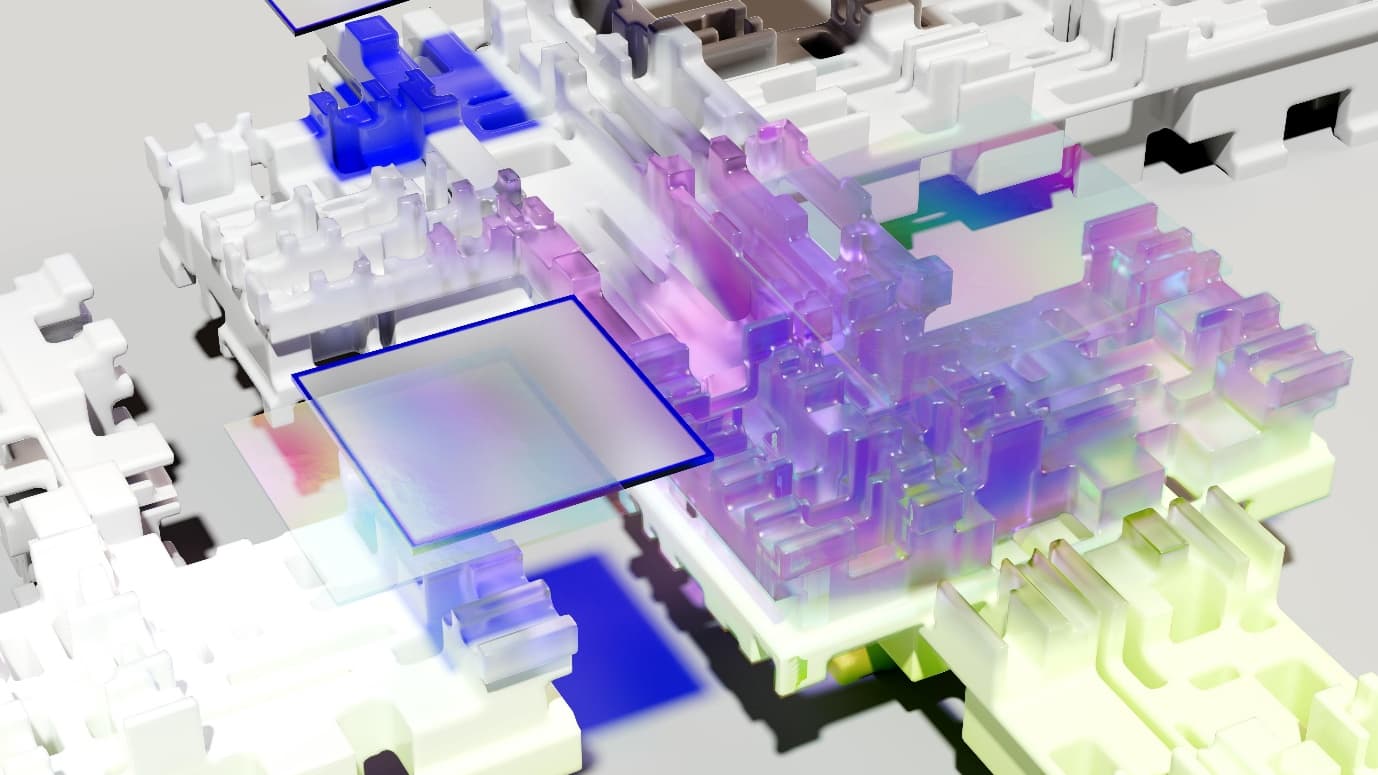
BIM Is Not a Model. It Is a Better Way to Think.
For years, BIM has been described through software, dimensions and deliverables. The deeper value of BIM is often lost in that routine.
For years, BIM has been described through software, dimensions and deliverables. Models are checked. Clashes are counted. Data drops are scheduled. Somewhere in that routine, the deeper value of BIM is often lost.
BIM is not important because it produces a digital replica of a project. It is important because it allows us to think more clearly before decisions become expensive, irreversible or painfully visible on site.
A building is never one thing. It is architecture, structure, services, fire strategy, maintenance access, movement, construction sequence and future operation. When these parts are developed in isolation, coordination becomes reactive. Issues are discovered late. Teams spend energy resolving problems that could have been understood much earlier.
A good BIM environment changes that. It gives everyone a shared space to test the project against itself.
A duct passing through a corridor is not merely a mechanical detail. It affects ceiling levels, lighting, fire compartmentation, access panels and perhaps even the dignity of the space. A plantroom is not merely a technical box. It carries implications for maintenance, replacement routes, energy performance and future adaptability. A staircase is not just geometry. It is circulation, code, evacuation and user instinct.
This is where BIM becomes valuable. It reveals relationships.
Too often, digital delivery is reduced to coordination meetings and clash reports. Those matter, of course. But the best use of BIM is not to find mistakes after they happen. It is to shape better decisions before they take form.
That requires a different mindset. Models must be built with purpose. Information must be structured, not merely stored. A Common Data Environment must be more than a filing cabinet with passwords. It should support clarity, accountability and traceable decisions. Asset information should not appear at the end like an afterthought. It should be considered from the beginning, because tomorrow's operations depend on today's discipline.
The conversation is also changing. BIM is steadily moving toward automation, digital twins, computational workflows and richer asset intelligence. These tools will help teams work faster and see further. Yet the principle remains the same. Technology sharpens judgement. It does not replace it.
A poor decision made through advanced software is still a poor decision.
At TOMAERS, we see digital engineering as a way to reduce uncertainty. It helps reveal what is hidden, connect what is fragmented and challenge what has been assumed. In complex projects, that can be the difference between a model that looks complete and a project that truly is.
BIM is not the future because it is digital. It is the future because it makes better thinking harder to avoid.
Related Insights.
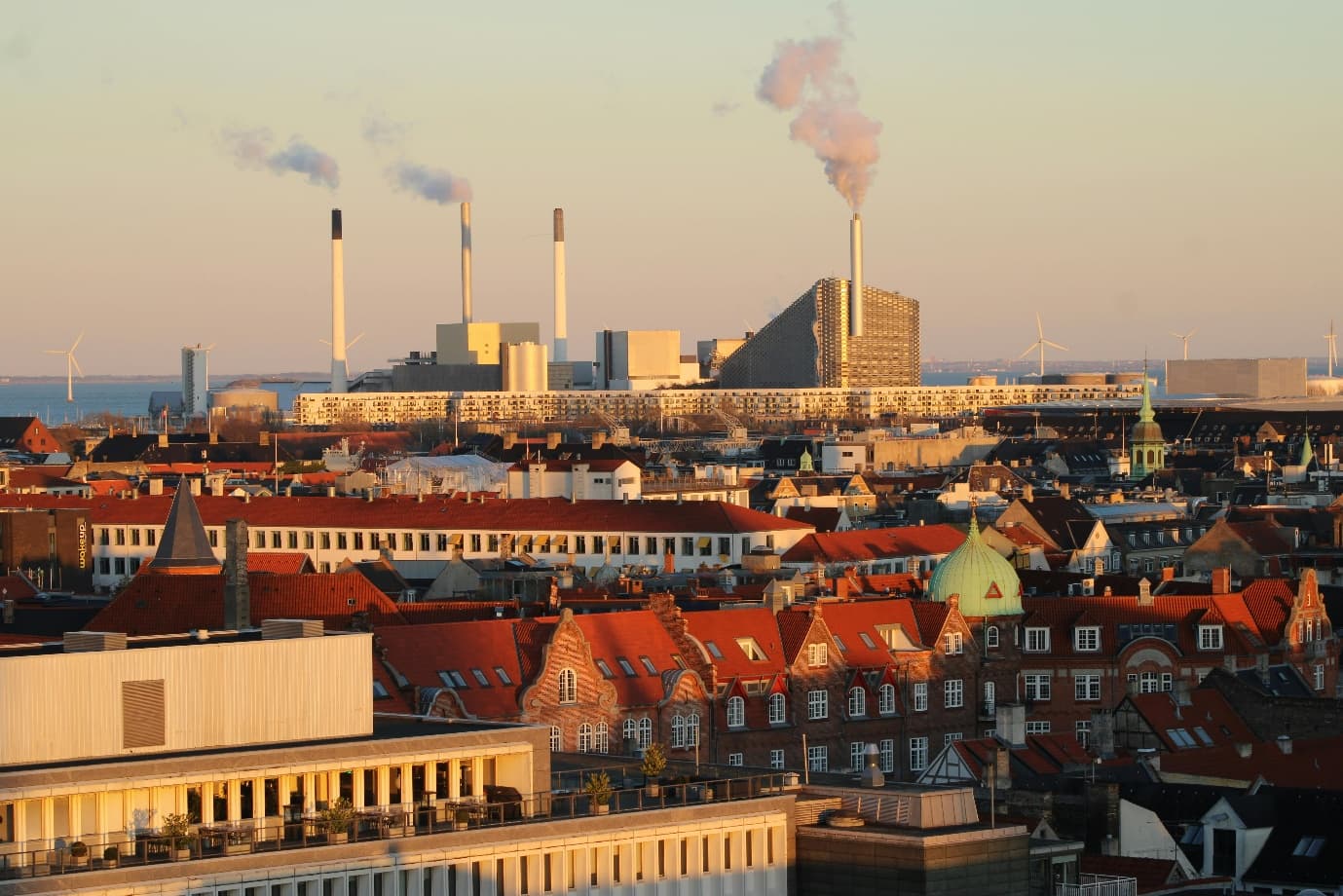
Cities and Places Are Not Built in Pieces
A city does not experience itself in departments. It does not separate architecture from mobility, public space from infrastructure or buildings from the people who occupy them.
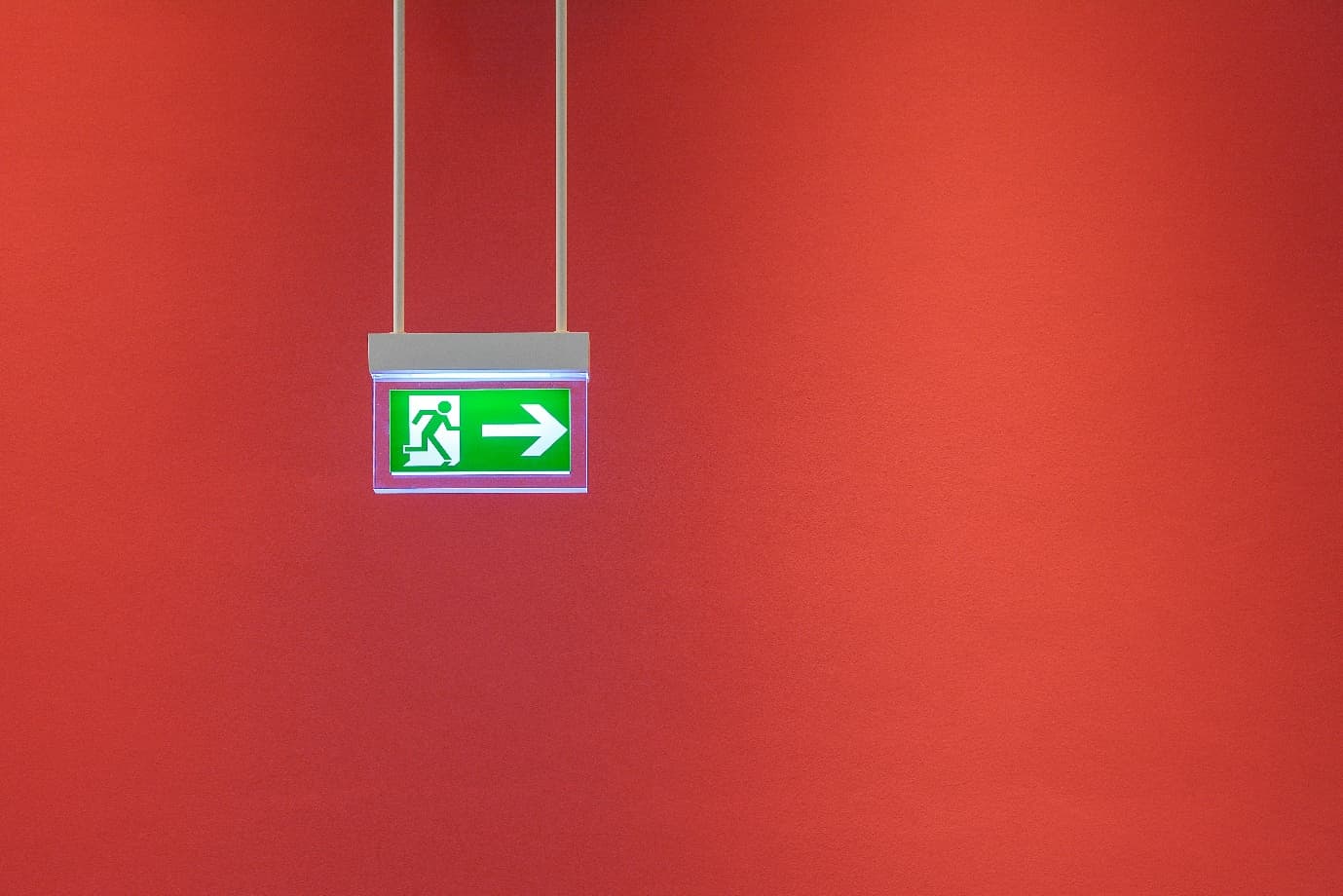
Fire and Life Safety Must Move Beyond Compliance
Codes matter. Standards matter. Approval pathways matter. But compliance alone is not the same as safety.

Why Tomaers?
Every company begins with a reason, even if it is not stated clearly at first. This is ours.