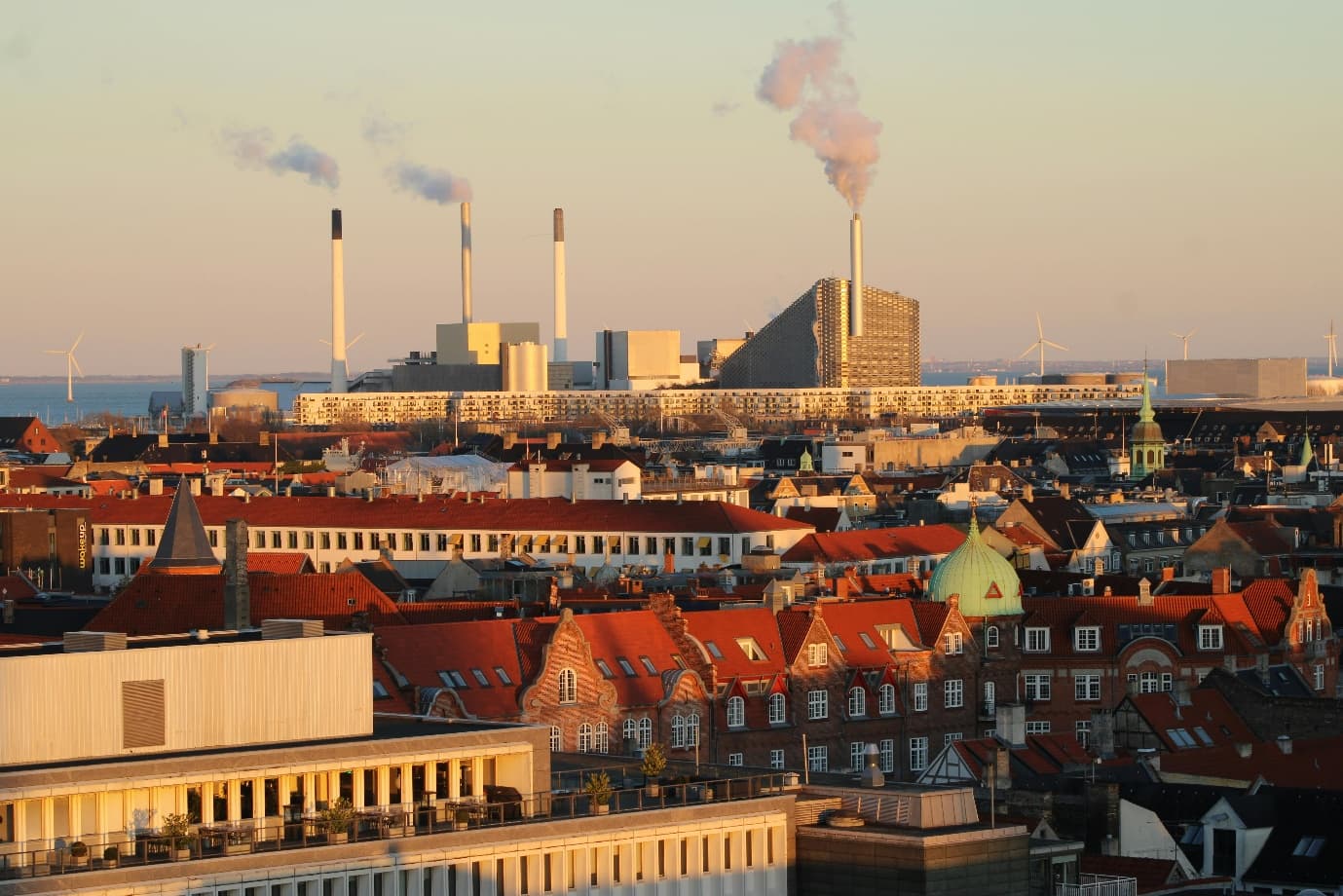
Cities and Places Are Not Built in Pieces
A city does not experience itself in departments. It does not separate architecture from mobility, public space from infrastructure or buildings from the people who occupy them.
A city does not experience itself in departments.
It does not separate architecture from mobility, public space from infrastructure or buildings from the people who occupy them. Those divisions belong to drawings, contracts and procurement packages. Life moves through them without noticing.
That is why cities often reveal the weakness of fragmented thinking.
A residential district may be beautifully planned yet difficult to service. A school may meet every spatial requirement but fail to feel safe and intuitive. A stadium may impress on opening day but struggle under crowd pressure. A mixed-use development may promise vibrancy yet create confusion in access, circulation and everyday operation.
None of these problems arise because people lacked talent. They arise because places are often assembled as parts rather than understood as systems.
Cities and places require a broader intelligence. They demand design that respects human behaviour, infrastructure that anticipates growth and engineering that supports both performance and adaptability. They require decisions made with an awareness that every line drawn on a masterplan will eventually be walked, occupied, maintained and tested.
Architecture shapes experience. Mobility shapes access. Utilities shape resilience. Safety shapes confidence. Public realm shapes memory. When these are aligned, a place begins to feel inevitable. When they are not, even expensive developments can feel strangely unfinished.
The best urban environments carry a quiet coherence. People may not be able to explain why a street feels comfortable, why a public square invites use or why a transport interchange seems effortless. Yet they feel it. Behind that ease is discipline.
Cities also live longer than the assumptions used to design them. Populations shift. Climate intensifies. Technology changes. Patterns of work, retail, education and care evolve. A place designed only for the moment of completion begins aging almost immediately. A place designed with flexibility has a chance to stay useful.
This is why long-term thinking matters. Density should be weighed against access. Growth should be supported by services. Public spaces should be considered not as leftover land but as connective tissue. Safety should be embedded, not applied after the architectural idea is celebrated.
At TOMAERS, we approach cities and places through this integrated lens. We are interested not only in how a development looks, but in how it behaves. How it moves. How it endures. How it serves people on an ordinary day and how it holds together on a difficult one.
Cities are among humanity's greatest achievements because they allow separate lives to function together. That responsibility deserves more than isolated decisions.
A city is not built through pieces that merely coexist. It is built through systems that understand one another.
Related Insights.
BIM Is Not a Model. It Is a Better Way to Think.
For years, BIM has been described through software, dimensions and deliverables. The deeper value of BIM is often lost in that routine.
Fire and Life Safety Must Move Beyond Compliance
Codes matter. Standards matter. Approval pathways matter. But compliance alone is not the same as safety.

Why Tomaers?
Every company begins with a reason, even if it is not stated clearly at first. This is ours.