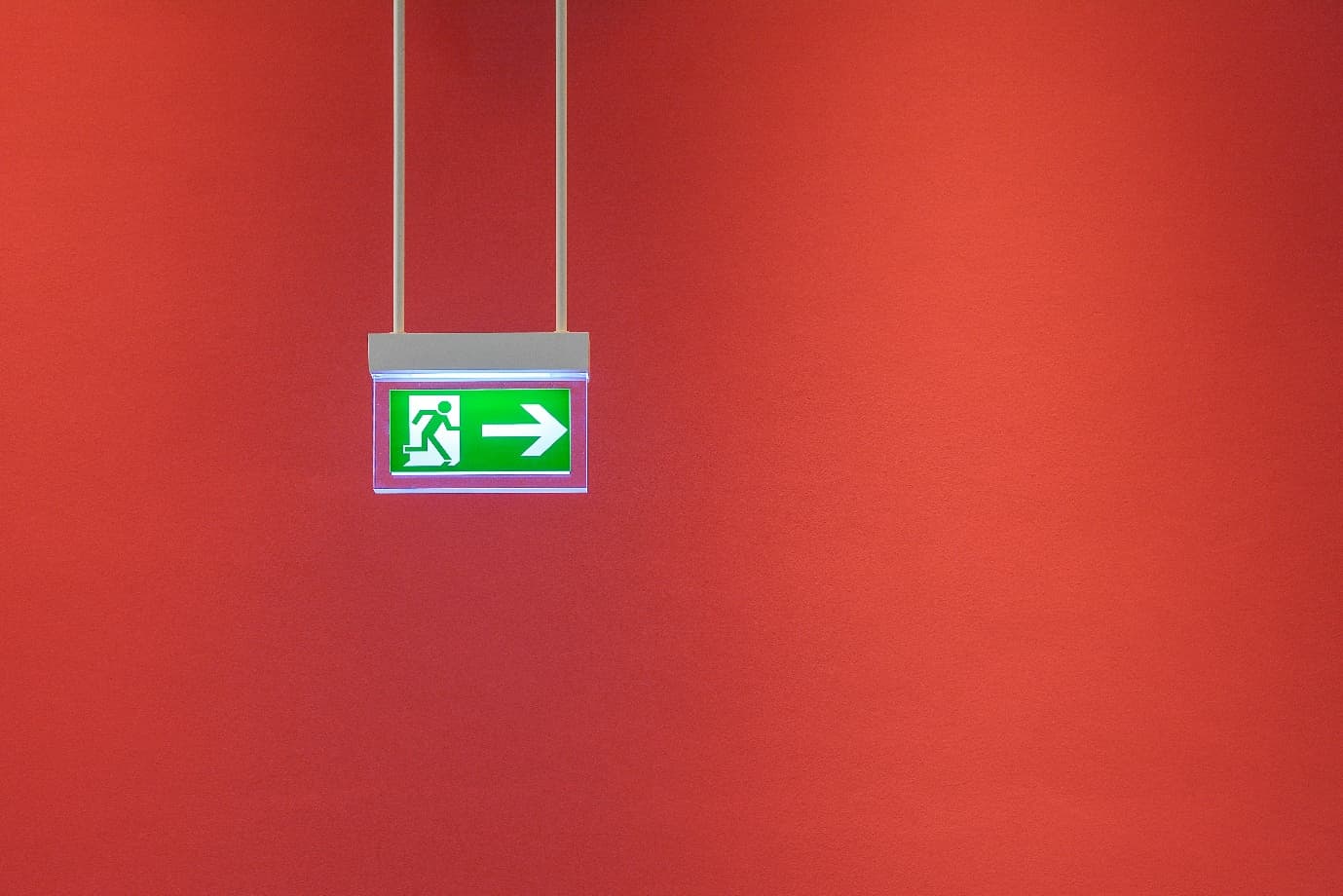
Fire and Life Safety Must Move Beyond Compliance
Codes matter. Standards matter. Approval pathways matter. But compliance alone is not the same as safety.
Codes matter. Standards matter. Approval pathways matter. They are the hard won language of lessons learned through tragedy, investigation and public responsibility.
But compliance alone is not the same as safety.
This distinction becomes more important as the built environment grows more complex. Buildings rise higher. Occupancies become mixed. Basements deepen. Stations become larger. Airports function like cities. Data centres operate with almost no tolerance for interruption. In such settings, the question is not only whether a requirement has been met. The question is whether the strategy will perform when conditions stop behaving politely.
Fire and life safety should not arrive late in a project as a review item, concerned mainly with correcting drawings. It should enter early, while architecture is still flexible, engineering systems are still forming and major assumptions can still be challenged.
A compliant staircase may still be poorly located. An acceptable travel distance may still conceal wayfinding weakness. A smoke control system may satisfy a drawing but conflict with architectural or operational realities. A refuge strategy may exist on paper yet remain poorly understood in use. These are not code failures. They are integration failures.
Good fire engineering begins with asking better questions.
Who are the occupants? How might they respond? What happens if one system does not behave as expected? How do evacuation, smoke management, suppression, compartmentation, fire service access and operational procedures work together?
These questions matter because emergencies are not design abstractions. They are human events. People pause. People follow familiar routes. People look for others. People do not always behave as diagrams assume. The most elegant strategy in a report still has to meet human reality when alarms sound.
Performance based thinking becomes valuable here. Not as a route around safety, but as a route toward clearer safety. Modelling, scenario analysis and engineering judgement allow design teams to examine conditions that prescriptive paths may not fully capture. They help make assumptions visible. They help test whether a strategy is robust or merely accepted.
Still, analysis is not the destination. The destination is confidence.
Confidence that the architecture supports evacuation. Confidence that systems respond in a coordinated way. Confidence that authority submissions reflect a coherent logic. Confidence that a project is not merely approved, but prepared.
At TOMAERS, fire and life safety is treated as part of the project's core intelligence. It is linked to design, engineering, operation and long term performance. We respect the code. We also respect the reality that codes cannot anticipate every project in full.

The industry must move beyond asking, "Is it permitted?"
It must ask, "Will it work?"
Because when fire and life safety is tested, it is not tested in theory. It is tested in real time, by real people, under real pressure.
Related Insights.
BIM Is Not a Model. It Is a Better Way to Think.
For years, BIM has been described through software, dimensions and deliverables. The deeper value of BIM is often lost in that routine.
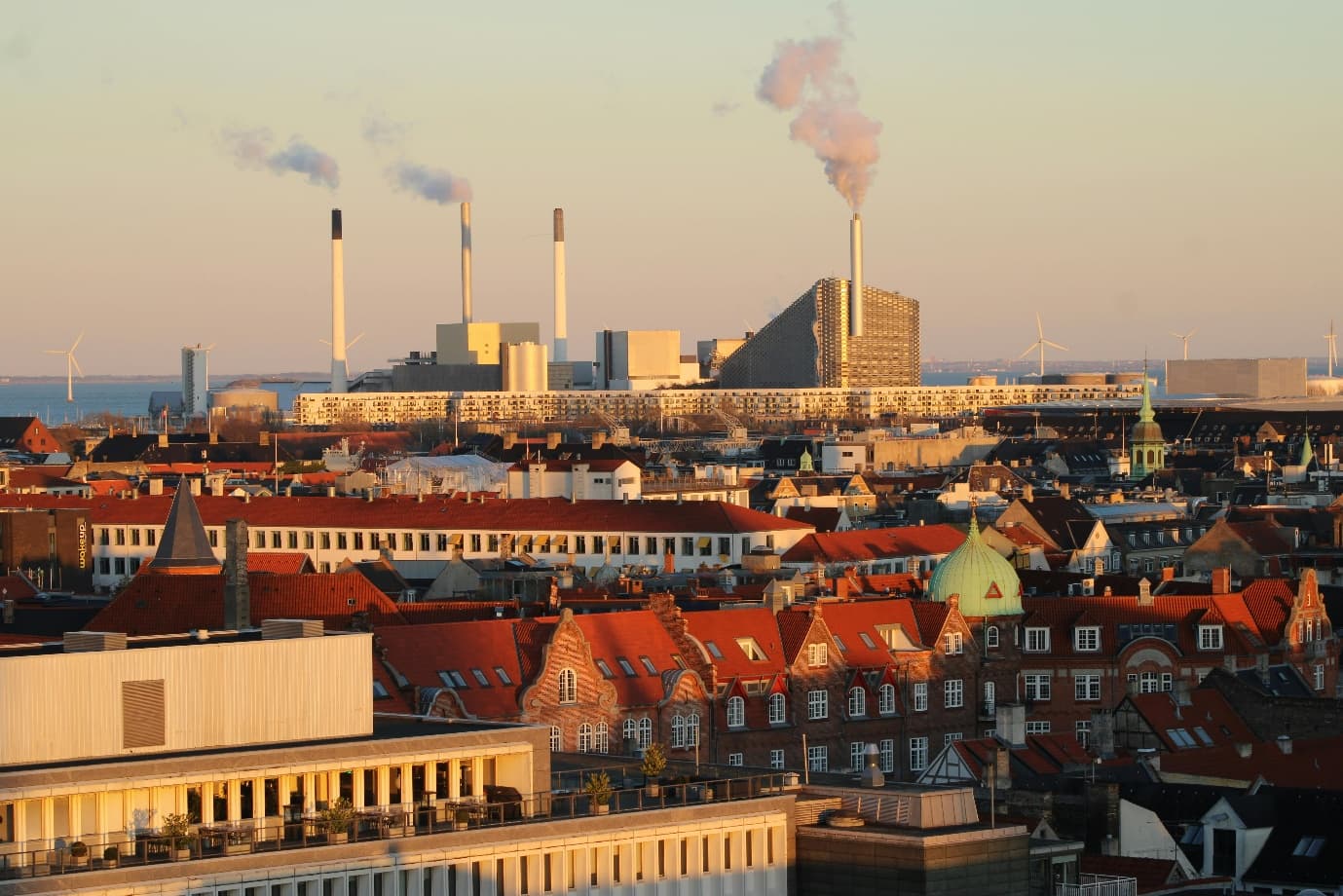
Cities and Places Are Not Built in Pieces
A city does not experience itself in departments. It does not separate architecture from mobility, public space from infrastructure or buildings from the people who occupy them.

Why Tomaers?
Every company begins with a reason, even if it is not stated clearly at first. This is ours.